



Using Rosehip Oil for Anti-Aging
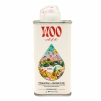
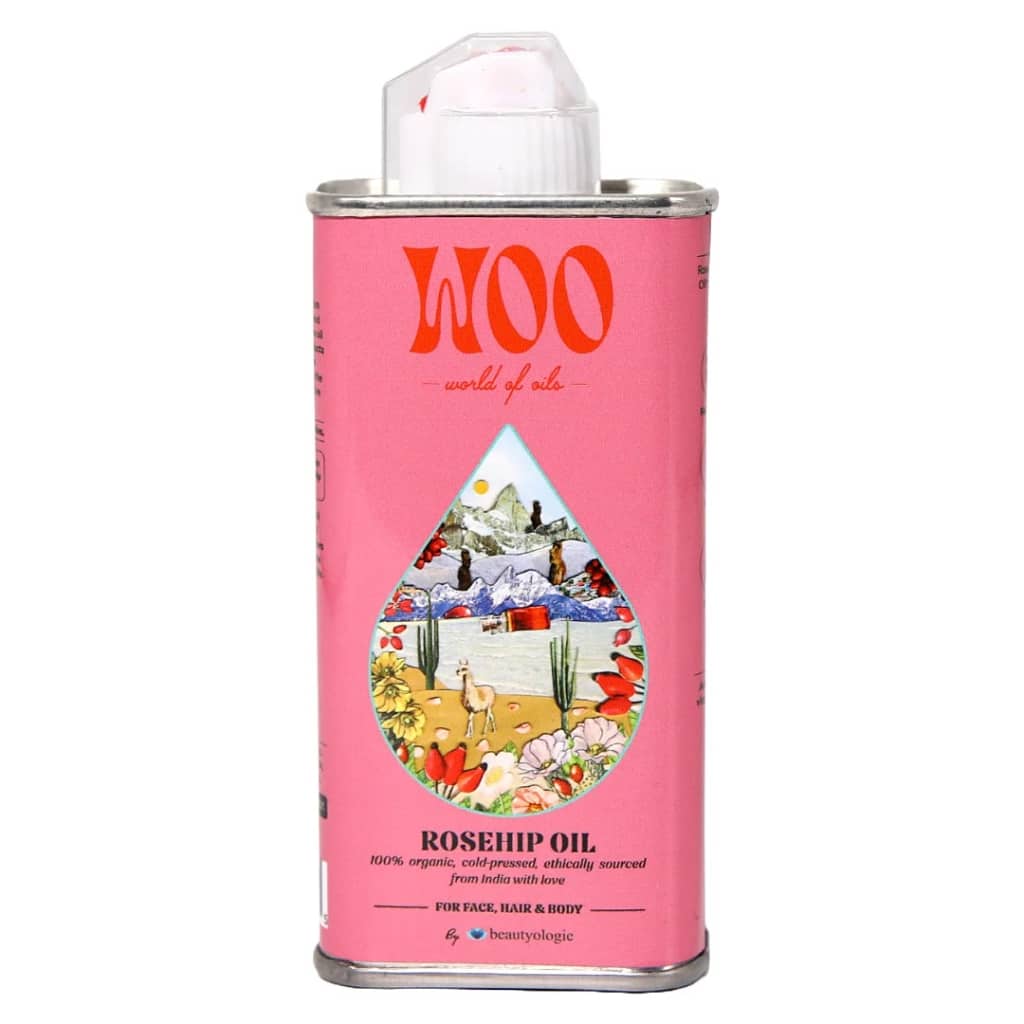
You’re standing in front of the mirror one morning, and the light catches your face just right. Fine lines around your eyes seem deeper than last year. A scar from an old breakout still hasn’t fully faded. Your skin feels parched despite your regular moisturizer routine. This is the moment many people decide their skincare needs to shift—when surface-level hydration isn’t enough, and you’re ready to invest in something that actually works on the cellular level. That’s where WOO Rosehip Oil – Hydrating, Anti-Aging, & Scar Reducing enters the picture.
📋 In This Guide
Rosehip oil has earned its reputation as one of the most active plant oils in skincare, largely because it’s packed with bioavailable vitamins A, C, and E, along with beta-carotene, essential fatty acids, and antioxidants. These aren’t marketing claims—they’re the compounds clinically shown to support skin regeneration, reduce visible signs of aging, and promote even tone and texture. But knowing what’s in the bottle and knowing how to use it properly are two different things. This guide walks you through the practical steps of incorporating WOO Rosehip Oil into your routine, with timing, quantities, and layering strategies that actually make a difference.
Assess Your Skin Type and Preparation
Before you start using any new active oil, you need to understand whether your skin is ready for it. Rosehip oil is relatively lightweight for an oil, and its fast-absorbing nature makes it suitable for most skin types—including oily and acne-prone skin—but preparation matters. If your skin barrier is compromised or you’re currently using strong actives (like retinoids or acids), introduce rosehip oil gradually.
Start with a skin barrier assessment
Healthy skin can absorb and benefit from rosehip oil immediately. If your skin feels tight, flaky, irritated, or overly reactive to products, spend a week or two using only a gentle cleanser and basic moisturizer to stabilize your barrier first. This takes five to seven days minimum. A compromised barrier won’t absorb nutrients efficiently, and you’ll waste the oil’s potency.
Patch test for sensitivity
Even though rosehip oil is gentle, individual sensitivities exist. Apply a small amount (rice-grain size) to your inner forearm or behind your ear and wait 24 hours. If no redness, itching, or irritation appears, you’re good to proceed. This step is especially important if you have reactive or rosacea-prone skin.
How to Apply WOO Rosehip Oil: Step-by-Step
The effectiveness of any face oil depends entirely on application technique and the condition of your skin when you apply it. These steps ensure maximum absorption and prevent the greasy feeling that turns people away from oils.
Step 1: Cleanse thoroughly
Use your regular cleanser to remove makeup, dirt, and oil buildup. Pat your skin dry with a clean towel—this is crucial. Oil applied to wet skin sits on the surface rather than penetrating. You want your skin clean and completely dry, but not stripped.
Step 2: Apply toner or essence (optional, but recommended)
If you use a hydrating toner or essence, apply it now while your skin is still slightly damp. This creates a hydrating base layer that helps the oil seal in moisture rather than sitting on top. Wait 30 seconds for it to sink in.
Step 3: Measure your dose
This is where most people go wrong. You don’t need much. For the face, use 2–3 drops. For the neck and décolletage, add 1–2 drops. For the full body, use a teaspoon or slightly less. Applying too much defeats the purpose of a fast-absorbing oil and creates a slick feeling that won’t absorb.
Step 4: Warm the oil between your palms
Rub your hands together briskly for three seconds. This warms the oil slightly, which helps it absorb faster and distribute more evenly. Cold oil on cold skin slows absorption.
Step 5: Press into skin, don’t rub
Use gentle pressing motions with your fingertips, starting at the center of your face and moving outward toward your ears. Press the oil into your skin rather than rubbing or massaging, which creates friction and can irritate the skin. Spend 30 seconds pressing it in across your face, neck, and any areas showing signs of aging or scarring. This technique ensures even distribution and better absorption.
Step 6: Wait before applying moisturizer
Give the oil 60–90 seconds to absorb before layering your moisturizer. If you apply moisturizer immediately, you risk trapping the oil on the surface. A quick way to test: lightly touch your forehead. If it still feels slightly tacky, wait another 30 seconds. Once it feels like a hydrated, matte finish, you can apply moisturizer.
Timing and Frequency: When to Use Rosehip Oil
The best time to use WOO Rosehip Oil depends on your skin goals and existing routine. Rosehip oil is photostable (meaning it doesn’t degrade significantly in sunlight), so you can use it during the day, but many people prefer nighttime application for deeper regeneration.
| Usage Scenario | Frequency | Best Timing |
|---|---|---|
| Mild fine lines and general hydration | 3–4 times per week | Evening, after toner, before moisturizer |
| Significant anti-aging focus (wrinkles, firmness) | Daily (morning and/or evening) | Both AM and PM, or PM only if you prefer lighter morning routine |
| Scar fading or post-blemish texture | Daily, targeted application | Evening; apply extra drops directly to scarred area |
| Sensitive or reactive skin | 2–3 times per week, gradually increase | Evening only, after skin barrier is stable |
Morning vs. evening application
Nighttime is traditionally better for active oils because your skin isn’t exposed to environmental stressors, and cellular regeneration peaks during sleep. However, the vitamin A and antioxidants in rosehip oil make morning application beneficial too—they provide protection against free radical damage throughout the day. If you use it in the morning, allow an extra minute for absorption before applying sunscreen.
Building tolerance over time
If you’re new to active oils, start with 2–3 applications per week, spacing them out (Monday, Wednesday, Friday, for example). After two weeks, if your skin feels comfortable, increase to 4 times per week. If you want daily use, wait at least a month before committing to every single day. Your skin adapts to new actives gradually, and pushing too fast can trigger irritation or sensitivity.
Layering Rosehip Oil with Other Products
WOO Rosehip Oil works well within most skincare routines, but the order matters. The general rule is to apply products from thinnest to thickest consistency, ending with oils and then occlusives. Here’s how it fits:
Standard evening routine: Cleanser → Toner/Essence → Serums (if using) → WOO Rosehip Oil → Moisturizer → Eye Cream (optional) → Night Cream (optional)
If you use a vitamin C serum, retinoid, or niacinamide serum, apply those first, wait for them to dry, then apply the rosehip oil. The oil will seal those actives in and enhance their absorption. However, avoid layering rosehip oil directly over chemical exfoliants (AHAs, BHAs) the same evening—these actives need clean skin to work, and oil interferes. Use exfoliants on alternate nights, or apply them in the morning and rosehip oil at night.
If you have oily or acne-prone skin and worry about moisturizer feeling heavy, you can skip the moisturizer step when using rosehip oil. The oil plus a light toner often provides sufficient hydration for this skin type. Test it for a week and adjust based on how your skin feels.
Addressing Specific Concerns: Scars, Aging, and Hydration
Rosehip oil’s multitasking nature means you can target different concerns with slightly adjusted application methods.
For scar fading
This is where concentrated application makes the biggest difference. After completing your basic routine, apply rosehip oil directly to scar areas using a clean fingertip, gently pressing it in. Use 1–2 extra drops on the scar itself. The vitamin A and antioxidants support collagen remodeling, which gradually softens the appearance of scars. Consistent daily application for 8–12 weeks shows noticeable improvement in texture and color. If the scar is raised (hypertrophic) rather than depressed (atrophic), expect slower results, as oils work best on flat or slightly indented scars.
For fine lines and firmness
Apply rosehip oil as part of your regular routine, but focus on areas with the most visible lines—around the eyes, forehead, and mouth. The retinol content (vitamin A) stimulates collagen production, and the antioxidants prevent further damage. Visible improvement in fine lines typically appears within 6–8 weeks of consistent use. For deeper wrinkles, results are more subtle, but users report improved skin texture and a plumper appearance within 4 weeks.
For overall hydration
Use 2–3 drops across the full face daily, both morning and evening if your skin is particularly dry. The fatty acids in the oil reinforce your skin barrier, which is essential for retaining moisture. Many people find that consistent rosehip oil use reduces their need for heavier moisturizers over time.
FAQs About Using WOO Rosehip Oil
Before you begin, here are answers to questions that come up frequently when people start using rosehip oil:
Can I use rosehip oil if I have oily or acne-prone skin? Yes. Rosehip oil is one of the few oils that works well for oily skin because it absorbs quickly and actually helps balance sebum production through its antioxidant and vitamin content. Start with 2–3 times per week and monitor your skin. Many acne-prone users report fewer breakouts after consistent use because the oil strengthens the skin barrier, reducing the inflammatory response.
How long does it take to see results from rosehip oil? Hydration and brightness improve within 3–5 days. Fine line reduction and scar fading take 4–8 weeks of consistent daily or near-daily use. Deeper anti-aging effects (firmness, elasticity) may take 8–12 weeks. Results depend on starting skin condition, age, and consistency of use.
Should I use sunscreen over rosehip oil in the morning? Yes, always apply sunscreen over any skincare product. Wait 60–90 seconds for the rosehip oil to absorb first. Sunscreen is your best anti-aging tool and should never be skipped, even with antioxidant-rich oils. The combination of rosehip oil plus SPF significantly amplifies anti-aging benefits.
Can I mix WOO Rosehip Oil with my moisturizer to use it? You can, but it’s less effective than layering them separately. When you mix them, the oil’s absorption rate slows, and you lose the targeted benefit. Layering takes an extra minute but delivers better results. If you prefer mixing for convenience, use it sparingly (1 drop per pump of moisturizer) to maintain some of the oil’s potency.
For more detailed ingredient information and to understand the full profile of WOO Rosehip Oil, visit the ingredient listings and impact statements page.
This oil works best as part of a consistent routine. Results compound over time, so patience and regularity matter more than perfection. If you have questions about how to integrate this oil into your specific routine or need personalized recommendations, contact WOO World of Oils for guidance.